
Month: June 2023
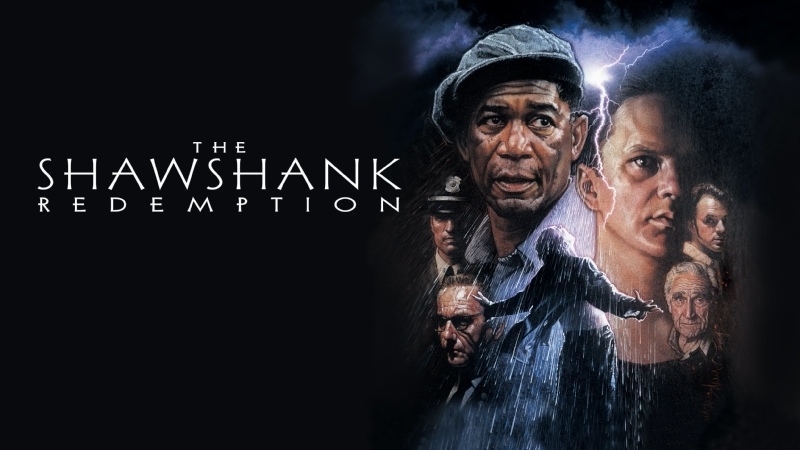
A Gripping Tale of Redemption: ‘The Shawshank Redemption’ Review
The Power of Hope

Captivating Performances
One of the most iconic films of all time, “The Shawshank Redemption” is a masterpiece that blends elements of drama, crime, and hope seamlessly. Directed by Frank Darabont and based on Stephen King’s novella, this film transports viewers to the unforgiving world of Shawshank State Penitentiary, where the human spirit is tested to its limits.
At the heart of the movie are the captivating performances by Tim Robbins as Andy Dufresne and Morgan Freeman as Ellis “Red” Redding. Robbins brilliantly portrays the quiet resilience and intelligence of Andy, a banker wrongfully convicted of murder. From the moment he steps into Shawshank, Robbins captures Andy’s transformation from a vulnerable and scared inmate to a figure of hope and inspiration. His subtle gestures, expressions, and unwavering determination are a testament to his remarkable acting skills.
Morgan Freeman’s portrayal of Red, a long-term inmate and narrator of the story, is nothing short of extraordinary. Freeman’s rich, deep voice serves as the perfect narration, drawing audiences into the world of Shawshank. His portrayal exudes wisdom, warmth, and a deep understanding of the prison’s dynamics. Red’s friendship with Andy forms the emotional core of the film, and Freeman’s nuanced performance beautifully captures the evolution of their bond. The chemistry between Robbins and Freeman is palpable, making their on-screen friendship deeply authentic and compelling.
A Testament to the Human Spirit
“The Shawshank Redemption” beautifully explores the themes of hope, friendship, and the indomitable human spirit. Despite the harsh realities of life in prison, the film reminds us that hope can thrive even in the most desolate of places. Andy’s unwavering determination to retain his sense of self and find redemption resonates deeply with viewers.
Throughout the film, Andy becomes an embodiment of hope for the inmates of Shawshank. His acts of defiance, such as creating a library and helping his fellow prisoners, inspire those around him to believe in a better future. The film powerfully portrays the transformative power of hope and its ability to break down the walls of despair.
Additionally, “The Shawshank Redemption” explores the theme of friendship as a source of strength and solace in the darkest of times. Andy and Red’s friendship grows slowly but steadily, grounded in mutual respect and understanding. Their bond becomes a lifeline in the unforgiving world of Shawshank, offering solace, companionship, and a glimmer of hope. Their journey together symbolizes the importance of human connection and support in overcoming adversity.
Superb Direction and Storytelling
Frank Darabont’s direction is nothing short of brilliant in “The Shawshank Redemption.” He masterfully crafts a visually compelling and emotionally gripping story that keeps viewers on the edge of their seats. The pacing of the film is impeccable, gradually building tension and suspense while allowing the characters to evolve naturally.
Darabont’s attention to detail is evident in every frame, immersing the audience in the gritty reality of prison life. From the dimly lit cells to the vastness of the prison yard, each setting is meticulously designed to enhance the atmosphere and evoke a range of emotions. The juxtaposition of the claustrophobic interiors with the glimpses of the outside world accentuates the yearning for freedom felt by the characters.
The screenplay, adapted by Darabont himself, remains faithful to King’s novella, capturing its essence and delivering powerful dialogues that resonate with viewers. The narrative unfolds in a non-linear fashion, skillfully interweaving past and present, ultimately revealing the profound impact of Andy’s actions. The combination of Darabont’s direction, the screenplay, and the exceptional performances make “The Shawshank Redemption” an unforgettable cinematic experience.
In conclusion, “The Shawshank Redemption” stands as a testament to the power of hope, friendship, and the indomitable human spirit. With captivating performances by Tim Robbins and Morgan Freeman, the film takes viewers on a transformative journey within the walls of Shawshank State Penitentiary. Frank Darabont’s superb direction and storytelling create a visually stunning and emotionally resonant masterpiece that continues to captivate audiences decades after its release.
The Triumph of the Human Spirit

Cinematic Brilliance
“The Shawshank Redemption” is a visually stunning film that transports viewers into the dark and oppressive world of Shawshank State Penitentiary. The cinematography by Roger Deakins is breathtaking, capturing the claustrophobic atmosphere of the prison while highlighting the stark contrast between the characters’ confinement and their yearning for freedom.
Deakins expertly utilizes lighting and camera angles to create evocative visuals. The dimly lit cells and corridors, along with the somber color palette, effectively convey the harsh reality of prison life. Conversely, the glimpses of natural light and the expansive shots of the prison yard serve as symbols of hope and freedom. Deakins’ masterful cinematography elevates the film, immersing viewers in its emotional depths and heightening the impact of key moments.
Memorable Characters and Supporting Cast
Beyond the remarkable performances by Robbins and Freeman, “The Shawshank Redemption” boasts an exceptional supporting cast. Each character is meticulously developed, adding layers of complexity to the narrative.
Bob Gunton delivers a chilling portrayal of Warden Samuel Norton, the authoritarian figure who symbolizes the corruption within the prison system. Gunton’s cold and calculated performance leaves a lasting impression, making Norton a formidable antagonist.
William Sadler shines as Heywood, an inmate who becomes an integral part of the film’s core group of characters. His portrayal brings a much-needed touch of humor and warmth to the story, balancing the darkness with moments of levity.
Other notable performances include Clancy Brown as Captain Byron Hadley, the brutal prison guard, and James Whitmore as Brooks Hatlen, an elderly inmate released after decades of incarceration. Each actor imbues their character with depth and humanity, adding to the richness of the film’s ensemble cast.
Lasting Impact
Since its release in 1994, “The Shawshank Redemption” has achieved cult status and continues to resonate with audiences worldwide. Its universal themes of hope, redemption, and the resilience of the human spirit transcend time and place, making it a timeless classic.
The film’s enduring popularity can be attributed to its ability to connect with viewers on an emotional level. It taps into our deepest desires for freedom, justice, and personal redemption. “The Shawshank Redemption” has the power to evoke a range of emotions, from despair and anger to joy and hope, ultimately leaving a lasting impact on its audience.
Moreover, the film’s message of hope and the triumph of the human spirit resonates with viewers from all walks of life. It serves as a reminder that no matter how dire the circumstances, it is possible to find strength within ourselves and make a positive impact on those around us.
In conclusion, “The Shawshank Redemption” is not just a gripping tale of redemption, but a cinematic masterpiece that showcases the triumph of the human spirit. With its visually stunning cinematography, memorable performances, and profound themes, the film continues to captivate and inspire audiences. Its enduring legacy as a beloved classic is a testament to its timeless appeal and the universal resonance of its message.

Unraveling the Enigma: Exploring the Themes of ‘Inception’
The Mind-Bending World of ‘Inception’

A Cinematic Triumph in Conceptual Storytelling
Inception, directed by Christopher Nolan, is a mind-bending science fiction thriller that takes audiences on an exhilarating journey through the depths of the human mind. Released in 2010, this film quickly became a modern classic, praised for its innovative storytelling, stunning visuals, and complex themes. With its intricate plot and philosophical underpinnings, ‘Inception’ challenges viewers to question the nature of reality and the power of dreams.
Sudah tidak bisa dihindari lagi bila saat ini banyak sekali situs baru bermunculan dengan tema poker online. Dari setiap situs idn poker online tersebut tentunya menawarkan keunggulan masing-masing dengan tujuan mendapatkan keuntungan dari setiap pemain. Misalnya saja pemotongan hasil kemenangan yang didapatkan pemain, atau demi meningkatkan penghasilan iklan karena banyaknya orang yang mengakses mereka.
From its opening sequence, ‘Inception’ sets the stage for a narrative that defies conventions and pushes the boundaries of cinematic storytelling. The concept of entering and manipulating dreams introduces a fascinating premise that keeps audiences engaged and captivated throughout the film.
The Power of Dreams and Perception
One of the central themes explored in ‘Inception’ is the power of dreams and their influence on our perceptions of reality. The film introduces the concept of shared dreaming, where skilled individuals can enter the dreams of others and manipulate their subconscious. This notion leads to a fascinating exploration of the nature of reality, blurring the line between dreams and waking life.
The characters in ‘Inception’ traverse multiple dream layers, each with its own set of rules and possibilities. This concept allows the film to delve into the depths of the human mind and challenge conventional notions of reality. As the boundaries between dreams and reality blur, the film raises thought-provoking questions about the malleability of perception and the potential consequences of manipulating one’s subconscious.
The Fragility of Memories and Emotional Catharsis
Another compelling theme in ‘Inception’ is the fragility of memories and their profound impact on our emotional well-being. The film explores the idea that our memories shape our identities and influence our decisions. Dom Cobb, played by Leonardo DiCaprio, carries the weight of guilt and grief tied to the memories of his deceased wife, Mal. These memories haunt him and affect his ability to navigate the dream world effectively.
The exploration of memories in ‘Inception’ serves as a powerful emotional core for the film. Memories are depicted as fragile constructs that can be distorted, manipulated, and used as tools of emotional manipulation. Through the character of Cobb, ‘Inception’ delves into the themes of remorse, forgiveness, and the cathartic power of letting go. The film emphasizes the importance of confronting one’s past and reconciling with it in order to find emotional liberation.
With its intricate narrative and thought-provoking themes, ‘Inception’ challenges viewers to reflect on their own perception of reality and the significance of memories in shaping their lives. The film prompts contemplation about the boundaries of the mind and the power of dreams to influence our thoughts, emotions, and actions.
In the next section, we will delve further into the layers of complexity present in ‘Inception’ and explore how the film navigates the interplay between different levels of reality.
The Layers of Complexity in ‘Inception’

Reality vs. Illusion: A Puzzle of Perception
One of the most intriguing aspects of ‘Inception’ is the way it presents multiple layers of reality and blurs the boundaries between them. As the characters venture deeper into dream levels, the film challenges viewers to decipher what is real and what is merely a construct of the mind. This complex interplay between different layers of reality adds a layer of suspense and intrigue, keeping the audience on the edge of their seats.
The concept of shared dreaming allows for the creation of intricate dreamscapes that mimic the real world. However, as the film progresses, the characters face the challenge of distinguishing between the real world and dream constructs. This ambiguity not only heightens the tension but also raises profound questions about the nature of reality itself. ‘Inception’ invites viewers to question their own perceptions and consider the possibility that what they perceive as real might, in fact, be an illusion.
The Power Dynamics of Manipulation
‘Inception’ also delves into the theme of power and control. The film explores the consequences of manipulating the dreams and thoughts of others, highlighting the ethical dilemmas and moral repercussions of such actions. Dom Cobb and his team navigate a world where dreams can be constructed and manipulated, raising profound questions about the boundaries of personal autonomy and the potential for abuse of power.
The character of Cobb himself embodies the complex dynamics of power within ‘Inception.’ As an expert in the field of extraction and inception, Cobb possesses the ability to invade the subconscious minds of individuals and shape their thoughts and actions. However, this power comes with consequences as he grapples with guilt and the potential dangers of exploiting the dreams of others. ‘Inception’ prompts viewers to reflect on the ethical implications of manipulating one’s mind and the delicate balance between control and personal agency.
Dreams as a Metaphor for Filmmaking
Christopher Nolan cleverly uses dreams as a metaphor for the process of filmmaking itself in ‘Inception.’ Just as Cobb and his team meticulously construct dream worlds, filmmakers carefully construct their narratives, visuals, and soundscapes to create a captivating cinematic experience. The parallels between dreams and filmmaking provide a meta-commentary on the power of storytelling and the ability of films to transport viewers to new realms of imagination.
Nolan blurs the lines between dreams and reality, mirroring the way filmmakers manipulate the audience’s emotions and perceptions through their craft. ‘Inception’ becomes a reflection on the immersive nature of cinema itself, inviting viewers to question their role as active participants in the storytelling process.
In conclusion, ‘Inception’ is a cinematic masterpiece that explores complex themes of reality, dreams, perception, and power. Through its intricate narrative layers, the film challenges viewers to question their own understanding of reality, the fragility of memories, and the ethical implications of manipulating the mind. With its thought-provoking storytelling and visionary direction, ‘Inception’ continues to captivate audiences and leave them pondering the enigmatic depths of the human mind.